Post-Acute Alcohol Withdrawal: Why Recovery Symptoms Can Continue After Alcohol Withdrawal

What To Know

  • Acute alcohol withdrawal and longer-term recovery are different phases.
  • Cravings, disturbed sleep, anxiety, irritability, reduced pleasure and difficulty concentrating can continue after the initial withdrawal period.
  • Symptoms and timelines vary considerably. Not everyone experiences PAWS, and there is no single pattern that applies to everyone.
  • PAWS is a useful descriptive term, but it is not a formal diagnosis with one agreed symptom list or timeline.
  • Continuing support after detox can make recovery safer and more manageable.

Important: Alcohol withdrawal can cause seizures, hallucinations, severe confusion and other life-threatening complications. If you drink heavily, drink every day, have experienced withdrawal before or are unsure about your risk, seek medical advice before stopping suddenly.

Alcohol recovery can be a challenging journey, and some of the most discouraging symptoms can continue after the acute withdrawal period has ended.

You may have stopped drinking, made it through the first difficult days and expected to feel steadily better. Instead, you may still be dealing with poor sleep, anxiety, irritability, cravings, low motivation or brain fog.

This does not necessarily mean that recovery is going badly. It usually means you are in the longer-lasting symptoms often described as post-acute withdrawal symptoms, post-acute withdrawal syndrome (PAWS) or protracted alcohol withdrawal.

In this article, we’ll dive into what PAWS is, the common symptoms of alcohol withdrawal and how we can best navigate it.

What Is Post-Acute Alcohol Withdrawal?

Acute alcohol withdrawal usually begins within hours after alcohol intake is stopped or substantially reduced. Symptoms can include sweating, tremor, nausea, anxiety, insomnia, a rapid heart rate and, is some more severe chronic cases, we can have seizures or delirium.

Post-acute alcohol withdrawal refers to symptoms that continue after this acute phase has settled.

The American Society of Addiction Medicine uses protracted withdrawal to describe symptoms such as anxiety, irritability and sleep disturbance that persist beyond the expected acute withdrawal period.

The term PAWS remains debated because it is not listed as a separate diagnosis in the DSM-5-TR or ICD-11. There is also no test that can confirm that a symptom is caused by PAWS.

Regardless, i’ll refer to it as PAWS, as essentially, it all ends up meaning the same thing.

Why Can Symptoms Continue After Alcohol Withdrawal?

Alcohol affects several systems involved in calmness, alertness, reward, sleep and stress. When we consume alcohol on a habitual basis, our brain adapts to alcohol becoming a need in our body.

As explained in Alcohol Withdrawal: The Seesaw Effect of Glutamate and GABA, alcohol strengthens inhibitory or slowing signals while suppressing excitatory signals. It’s purely a compensatory effect.

When we remove alcohol, the result is an overactive nervous system, which results in some of those more stimulatory symptoms such as anxiety, sleeplessness, etc.

The most dangerous parts of alcohol withdrawal pass within days, but then the bodies re-calibration or adaptation to no alcohol is where the other difficult symptoms arise.

Our stress signaling, reward processing, sleep architecture and cognitive function continue to change across the following weeks and even months.

Outside of brain chemistry, these symptoms are also impacted by our nutritional health, physical health, and other substances, living conditions and available support.

Common Symptoms During Longer-Term Recovery

Cravings That Gradually Diminish

Let’s set one thing straight first, Intense cravings are common during early abstinence.

Everyone encounters them in sobriety, but it’s often not a straight line when they come and go.

A craving can return suddenly when you are stressed, tired, around alcohol or reminded of an old drinking routine. Even an unexpected opportunity to drink can bring the urge back into focus.

A systematic review of protracted alcohol withdrawal found that craving generally declined across the first weeks and months, although individual experiences and treatment settings varied.

Alcohol cravings isn’t that we’re failing at all. It’s really just an older association to our previous bodies hardwiring. I discuss this further in Cravings 101: Understanding the Fundamentals of Why We Crave.

Impaired Stress Management

Irritability, increased sensitivity and difficulty managing stress are common complaints during extended abstinence.

Once normal ordinary demand sometimes feel more intense. The busy day after a poor nights sleep comes at us stronger than expected. This can be frustrating, particularly when you’re still in the earlier stages of quitting, you thought you’d feel calmer and have it all together, right?

Don’t worry, I did too, but actually stress is a common relapse trigger.

Learning how to recognise rising tension, reduce unnecessary pressure and ask for support is the important part.

The HPA Axis and Stress Sensitivity

The hypothalamic-pituitary-adrenal axis, usually shortened to the HPA axis, is one of the systems that coordinates the body’s response to stress.

Long-term alcohol use and repeated withdrawal can alter this stress-response system. Research reviewed in the PAWS literature suggests that stress signaling may remain disrupted during abstinence, which may contribute to negative mood, heightened stress sensitivity and difficulty coping in some people.

It doesn’t mean everyone is going to have a blunted HPA Axis, and it’s often also impacted by many other factors – Sleep, inflammation, workload and burnout.

The practical takeaway is that if your capacity for stress feels lower than usual, it’s actually useful information.

You have quit drinking alcohol, celebrate this as an achievement in itself and just reduce avoidable pressure where possible. Plan your stress free moments and build that stress management resilience back.

The HPA Axis can also be well supported by nutrients and herbal medicine, so please book a consultation and let me help be part of that stress management support!

Loss of Interest or Lowered Pleasure (Anhedonia)

Anhedonia means a reduced ability to feel interest, pleasure or reward.

Things you normally enjoy? They feel flat, you have difficulty getting motivated and staying motivated by ordinary daily activities.

This is particularly unsettling at any stage of recovery. Alcohol repeatedly activates reward pathways, and the brain can become less responsive to everyday rewards you may expect to give you that pleasure sensation. But it’s all normal during the recovery process.

The pleasure and motivation will return in time, assuming we’re supporting all the foundations of our health (sleep, diet, stress). Of course, persistent anhedonia can also coincide with depression and other health conditions. Do seek professional support if it is severe, worsening, accompanied by hopelessness or making it difficult to function.

Sleep Disturbance

Sleep can remain unsettled after the acute withdrawal period. You may struggle to fall asleep, wake repeatedly, experience vivid dreams or sleep for a long time without feeling refreshed.

Poor sleep also worsens irritability, anxiety, fatigue, cravings. It can be a hinging point where it escalates our stress and pushes us to the point of relapse.

It’s often caused by many factors, our neurochemicals re-balancing, our HPA Axis not functioning as it should. This is often why tailored support from a Naturopath is so beneficial, we can support all of this gently.

Putting into place regular sleep and wake times, morning light, and less stimulation at night can gently support our sleeps natural rhythm. More practical guidance is available in Sleep Hygiene: How To Reset Your Sleep and Circadian Rhythm.

Brain Fog and Cognitive Recovery

Brain fog can include difficulty concentrating, remembering information, planning, changing tasks or making decisions.

You’ve probably experienced it during that hangover stage, that brain “foggy” ness. It’s all part of the picture of our body re-balancing and re-calibrating.

This process can also take time. A 2024 systematic review found that many aspects of attention, executive function, perception and memory recovered over approximately six to twelve months of abstinence. Some abilities improved earlier, while a few showed more variable or slower recovery.

Fatigue

Fatigue is often related to the accumulation of the afforementioned symptoms. It’s tiring, our sleep is disrupted, our nervous system is working hard to regulate stress and a new everyday routine without alcohol.

It makes a lot of sense for us to be tired. You may also be doing it with kids or parenting, even worse (don’t worry, i’ve done it).

Alcohol can also be associated with nutritional deficiencies and a wide range of physical health problems. So some of this fatigue can come from long-term nutrient depletion.

Fatigue should not automatically be labelled as PAWS, particularly when it is severe or persistent.

How Long Does Post-Acute Withdrawal Last?

There is no reliable answer that applies to everyone, it’s a very individual process.

Some models describe it lasting three to six months or longer, but symptoms tend to not always follow the same timeline.

We may have eased cravings in the first month, while sleep, mood and other cognitive changes taking a little longer.

The duration and intensity is also impacted by:

  • How much and how long a person was drinking for.
  • Whether they have experienced repeated withdrawals or attempts to quit.
  • Other drug use or withdrawal.
  • Sleep and nutritional status.
  • Physical and mental health conditions.
  • Medications and treatment.
  • Current stress, safety and social support.

Symptoms may also appear to come in waves. A person may feel noticeably better, have several difficult days and then improve again. This can reflect stress, sleep loss, triggers or normal day-to-day function, which can also be an aggravating factor too.

Not All Of Your Symptoms Are Related

When we quit alcohol, it’s easy to bucket every uncomfortable symptom we have under the PAWS label.

Anxiety, depression, insomnia, fatigue, these may have been present before the drinking became severe. The can also be indicators of chronic health issues impacted by nutritional deficiency, hormone disruption, or other medical related conditions.

This isn’t me trying to minimise your sober journey, but a recommendation to organise a clinical review with a health professional when your symptoms are:

  • Severe, worsening or unexpected.
  • Persisting without improvement long-term.
  • Interfering with work, relationships or basic daily tasks.
  • Making it difficult to remain alcohol-free.
  • Accompanied by persistent low mood, panic or hopelessness.

During your journey, it’s always good to get support as well. This helps provide guidance and also ressurrance.

Long Term Recovery Support Tips

Useful longer-term support may include:

  • Ongoing support. To make it easier and ensure sufficient support, always seek help from your GP and other related health professionals. A Naturopath can also provide gentle support to really soften the impact of your symptoms too, while treating the root cause of something else.
  • Medication where appropriate. Some medications, such as Antabuse, may help for some people to maintain abstinence. This needs to be discussed with your GP.
  • A regular sleep rhythm. Keep wake time as consistent as possible, get morning light and reduce late-night stimulation.
  • Regular meals. Include adequate protein and a range of nutrient-dense foods. Nutritional deficiencies should be assessed and treated appropriately as well.
  • Gradual exercise. Walking, resistance training or another manageable form of movement can support sleep, mood and physical health. Build this habit gradually if you haven’t before so you’re not outrunning fatigue with intense training.
  • Stress regulation. Breathing exercises, quiet time, realistic workloads, time outdoors and structured relaxation can help lower the total stress load.
  • A plan for triggers. Identify the people, places, emotions and situations that increase risk. Recognising your triggers makes it easier to act before a craving becomes overwhelming.
  • Connection and accountability. Linking it back to the first point, support is important. Peer support, trusted friends, family, recovery groups and professional care can reduce isolation and make difficult periods easier to manage.

When To Get Professional Help

Speak with a GP or alcohol and other drug professional if symptoms are persistent, worsening, difficult to manage or increasing the risk of returning to alcohol.

Seek urgent medical care for seizures, hallucinations, severe confusion, chest pain, collapse, extreme agitation or a return of severe withdrawal symptoms. Call 000 if there is an immediate danger.

For free and confidential alcohol and other drug information in Australia, call the National Alcohol and Other Drug Hotline on 1800 250 015. The service directs callers to the relevant service in their state or territory.

If you are feeling overwhelmed, unsafe or unable to cope, contact Lifeline on 13 11 14. If life is in immediate danger, call 000.

The Bottom Line

Finishing alcohol withdrawal is an important step, but it is not always the point at which sleep, mood, stress tolerance and motivation immediately return to normal.

The process is not a straight line, so be patient with the process, and seek support always on the difficult days. Your body and brain are adjusting, so also be kind to yourself.

With time, appropriate care and support, your persistent symptoms will become less. It’s all a journey and a fulfilling life in recovery is achieveable!

If you need further support managing your symptoms or just after some gentle guidance, reach out for a free discovery call.

Frequently Asked Questions

Is post-acute withdrawal syndrome a recognised diagnosis?

PAWS is widely used as a descriptive term, but it is not a separate formal diagnosis in the DSM-5-TR or ICD-11. Researchers and clinicians may instead use terms such as protracted alcohol withdrawal or persistent symptoms during abstinence.

What are the most common symptoms after alcohol withdrawal?

Commonly reported symptoms include cravings, disturbed sleep, anxiety, irritability, reduced pleasure or motivation, fatigue and difficulty concentrating. These symptoms can have other causes, so persistent or severe problems should be assessed.

How long can symptoms continue after quitting alcohol?

There is no fixed PAWS timeline. Some symptoms improve over weeks, while sleep, mood or cognitive changes may continue for months. Drinking history, repeated withdrawals, health, other substances, stress and treatment can all influence recovery.

Why do the symptoms seem to come in waves?

Symptoms can become more noticeable after stress, poor sleep, conflict, skipped meals or exposure to drinking cues. Normal day-to-day variation can also make recovery feel uneven. A symptom wave does not necessarily mean that recovery has reversed.

Does having cravings mean recovery is failing?

No. Cravings are a common part of recovery and can return when an old cue or association is activated. The useful response is to identify the trigger, use your plan and seek support if cravings are becoming harder to manage.

Can the brain recover after long-term alcohol use?

Research indicates that meaningful recovery in many cognitive functions is possible with sustained abstinence. A systematic review found that many aspects of attention, memory and executive function recovered within six to twelve months, although recovery varied between individuals and cognitive abilities.

References

This article provides general information and is not a substitute for individual medical advice, diagnosis or treatment.
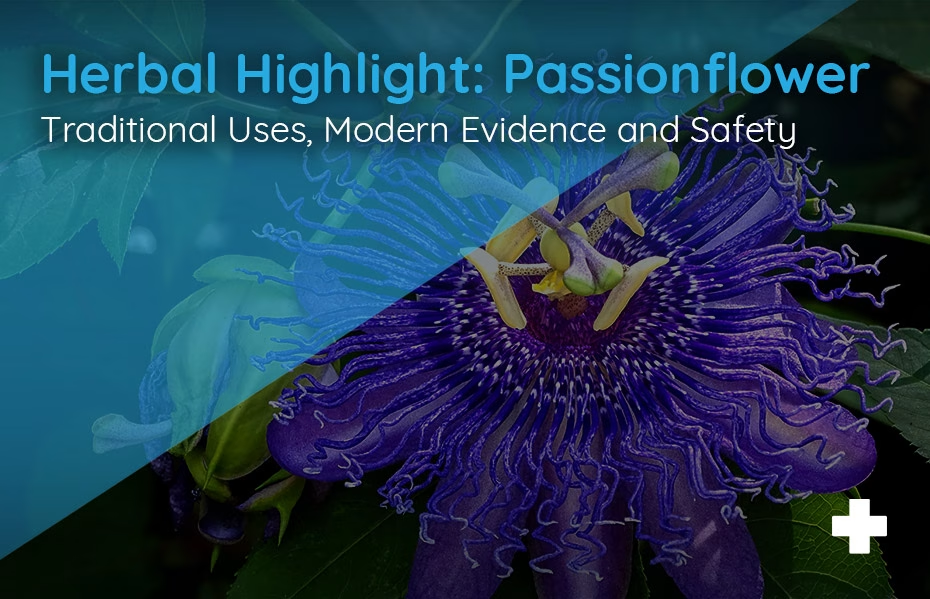
Herbal Highlight: Passionflower. Traditional Uses, Modern Evidence and Safety

What To Know

  • Passionflower (Passiflora incarnata) is a calming nervous-system herb traditionally used for a racing mind, nervous tension, restlessness and difficulty sleeping.
  • Clinical studies have reported reductions in anxiety and perceived stress, along with improvements in sleep quality and total sleep time.
  • Its personality is gentle but purposeful: it may help someone feel more settled without necessarily producing heavy sedation.
  • Tea, liquid extracts, tablets and capsules can differ considerably in strength and preparation, so they are not dose-for-dose equivalents.
  • Passionflower may add to the effects of sedating medicines or supplements and should be avoided during pregnancy.

What Is Passionflower?

Passionflower is a fast-growing perennial vine with large, intricate white and violet flowers. The medicinal species is Passiflora incarnata, a plant native to the south-eastern United States and now cultivated in many parts of the world, including Australia. It is different from Passiflora edulis, the species most commonly grown for the passionfruit we eat.

Herbal preparations use the aerial parts of the plant: the leaves, stems and flowers above the ground. The name itself has a rather dramatic history. Spanish missionaries saw symbols of the Passion of Christ in the flower’s unusual structure, which is how the plant became known as Passionflower.

Its use as a medicine goes back much further. Indigenous peoples of the Americas used Passionflower as a calming and sleep-supporting plant. It was later taken into European herbal medicine, where it became an established remedy for nervousness, restlessness, mild mental stress and insomnia (Miroddi et al., 2013).

The Personality of Passionflower

Herbalists often understand a plant not only by a list of conditions, but by the pattern of the person in front of them. Passionflower fits the person who is tired but still mentally alert, whose thoughts continue long after the day has finished, or who feels as though their nervous system is always hovering in the “on” position.

I always like to say that Passionflower is the perfect herb for someone that struggles with a racing mind, or finds it difficult to switch off. It’s gentle and significantly therapeutic at the same time.

Passionflower doesn’t knock out us, but helps quiet the mental noise and ease the nervous tension that is preventing our rest in the first place.

That distinction is important. Passionflower is not necessarily about knocking someone out. Its value is in helping quieten the mental noise and ease the nervous tension that may be preventing rest in the first place.

Inside Passionflower

Passionflower contains a complex mixture of plant compounds, particularly flavonoids such as vitexin, isovitexin, orientin and apigenin. As with many herbs, its effects are unlikely to come from one compound acting alone.

Laboratory research suggests that certain Passionflower extracts may influence gamma-aminobutyric acid, better known as GABA. GABA is one of the brain’s main inhibitory chemical messengers. In simple terms, it helps reduce excessive nervous-system activity and supports the shift from alertness towards calm.

This provides a possible explanation for Passionflower’s traditional use when worry, physical restlessness and poor sleep occur together. The exact activity depends on the species, plant material and extraction method, which is one reason different Passionflower products can feel quite different in practice!

Indicated Uses of Passionflower

Passionflower is most useful when nervous tension, mental overactivity and poor sleep are part of the same picture. The European Medicines Agency recognises its traditional use for mild mental stress and to aid sleep, and clinical research helps show what those benefits may look like in everyday life.

Racing thoughts and difficulty switching off

This is the classic Passionflower picture

The body may be tired, but the mind is still reviewing conversations, planning tomorrow or moving rapidly from one thought to the next. You mind literally struggles to shut off, it’s still stuck in the office at work.

Passionflower may help soften that feeling of mental overactivity so the nervous system can begin to settle. It can be particularly relevant in the evening, although practitioners may also use it during the day when constant thinking and internal tension are making it difficult to relax or focus.

Mild anxiety and nervous tension

Passionflower may help reduce the sense of worry, apprehension and nervous tension that accompanies mild anxiety. A 2020 systematic review examined nine clinical trials, with most reporting lower anxiety levels after Passionflower was used.

One small four-week trial compared Passionflower extract with oxazepam in 36 adults with generalised anxiety disorder. Both groups experienced improved anxiety symptoms by the end of the study. Oxazepam acted more quickly, while the Passionflower group reported fewer problems with impaired work performance (Akhondzadeh et al., 2001).

For more on why anxiety can affect both the mind and body, see Anxiety Explained: What Happens in the Body and What Can Influence It.

Stress, restlessness and feeling constantly “on”

Stress is not always experienced as a clear anxious thought. Sometimes it appears as an inability to sit still, a sense of internal agitation, physical tension or the feeling that the day’s momentum never quite stops.

In a 2024 randomised placebo-controlled trial involving 65 adults with stress and insomnia, a standardised Passionflower extract reduced perceived stress, improved general psychological wellbeing and increased total sleep time over 30 days (Harit et al., 2024).

This means passionflower is very applicable when it comes to daytime stress carrying over into our evening routine. It can help us manage that stress better, and improve our bedtime sleep recovery!

Difficulty falling asleep and shortened sleep

Passionflower is commonly used when poor sleep begins with an active mind. It helps address our nervous tension and mental activity that may be keeping us awake.

In a double-blind placebo-controlled study of 41 healthy adults, one week of Passionflower tea improved participants’ ratings of sleep quality (Ngan & Conduit, 2011). Another randomised trial involving 110 adults with insomnia found that two weeks of Passionflower extract increased objectively measured total sleep time by approximately 23 minutes compared with almost no change in the placebo group (Lee et al., 2020).

The 2024 stress and insomnia trial also found an increase in total sleep time, reinforcing Passionflower’s fit for people whose sleep is being disrupted by stress and difficulty winding down.

Sleep is a tricky one though, and Passionflower is not the all-in-one fix for our sleep. We also must consider light exposure, routine, caffeine, alcohol, pain and underlying health issues too. Read more in Sleep Hygiene.

Short-term situational anxiety

Passionflower is also really good for that short-term situational anxiety. I remember many times where I knocked back some Passionflower before a big exam. just to dial down the noise.

In a study of 60 outpatient surgery patients, a single dose taken before the procedure lowered anxiety without increasing sedation or impairing psychomotor recovery (Movafegh et al., 2008).

A second randomised study involving 60 people undergoing spinal anaesthesia found that Passionflower prevented the usual rise in anxiety without changing psychomotor function, sedation or cardiovascular measurements (Aslanargun et al., 2012).

The takeaway here is that Passionflower promotes calm in the moment without leaving a person groggy or heavily sedated.

Forms and Dosing

Passionflower is available as herbal tea, dried herb, liquid extract, tablets and capsules. Tea can be a gentle way to include it in an evening routine, while liquid extracts and standardised tablets or capsules may provide a more concentrated preparation.

The form matters because the amount of herb, extraction method and concentration can vary widely. A dose used in a study cannot automatically be converted into an equivalent number of cups of tea, millilitres of liquid or capsules.

I won’t delve much into the specifics of dosing, because if you’re looking at liquid extracts or standardised tablets, it is very important to discuss this with a Herbalist or Naturopath.

Passionflower Safety and Interactions

Passionflower is generally considered reasonably well tolerated for short-term oral use, but possible side effects include drowsiness, dizziness and confusion.

I know we said Passionflower isn’t exactly sedating, but it does technically carry sedative properties. Use extra caution with medicines or supplements that cause sedation, including sleep medicines, benzodiazepines and some antihistamines. I would also avoid driving until you know how Passionflower effects you.

When using Passionflower during pregnancy, like with most supplements or herbal medicines, it should not be self-prescribed without seeking professional advice first. Passionflower is generally considered quite safe, but guidance is always recommended. Some herbs definitely should not be used in pregnancy or lactation, so caution is always key.

The Bottom Line

What I like most about Passionflower is that it has a very recognisable place. It suits the person who feels tired but wired, whose mind keeps racing and whose nervous system needs some help finding its way back towards calm.

Its long traditional use is now supported by studies reporting reduced anxiety and perceived stress, better subjective sleep quality and increased total sleep time. It is a good example of a herb that can be gentle without being insignificant.

The species, dose and the individuals situation does matter, and it’s a relatively low risk herb when considering other factors, but professional guidance is always recommended.

Please note: Persistent or worsening anxiety or insomnia still deserves proper assessment. If you have been battling with a chronic condition for some time, reach out to a health professional to see where they can help.

Frequently Asked Questions

What is passionflower traditionally used for?

Passiflora incarnata has traditionally been used for mild mental stress, nervous tension, restlessness and difficulty sleeping.

Does passionflower help anxiety?

Clinical trials have found that passionflower extract can reduce anxiety symptoms, including generalised anxiety and short-term anxiety before medical procedures. Persistent anxiety should still be assessed by an appropriate health professional.

What does Passionflower feel like?

People often use Passionflower to feel less mentally wound up and more able to settle. It may quieten racing thoughts and ease nervous tension without necessarily causing heavy sedation, although individual responses and products vary.

Can Passionflower make you sleepy?

Yes. Drowsiness is possible and can be stronger when Passionflower is combined with medicines, alcohol or other supplements that cause sedation.

References

Akhondzadeh, S., Naghavi, H. R., Vazirian, M., Shayeganpour, A., Rashidi, H., & Khani, M. (2001). Passionflower in the treatment of generalized anxiety: A pilot double-blind randomized controlled trial with oxazepam. Journal of Clinical Pharmacy and Therapeutics, 26(5), 363–367. https://doi.org/10.1046/j.1365-2710.2001.00367.x

Aslanargun, P., Cuvas, O., Dikmen, B., Aslan, E., & Yuksel, M. U. (2012). Passiflora incarnata Linneaus as an anxiolytic before spinal anesthesia. Journal of Anesthesia, 26(1), 39–44. https://doi.org/10.1007/s00540-011-1265-6

European Medicines Agency. (2016). Passiflorae herba — herbal medicinal product. https://www.ema.europa.eu/en/medicines/herbal/passiflorae-herba

Harit, M. K., Mundhe, N., Tamoli, S., Pawar, V., Bhapkar, V., Kolhe, G., Mahadik, S., Kulkarni, A., & Agarwal, A. (2024). Randomized, double-blind, placebo-controlled, clinical study of Passiflora incarnata in participants with stress and sleep problems. Cureus, 16(3), e56530. https://doi.org/10.7759/cureus.56530

Lee, J., Jung, H.-Y., Lee, S. I., Choi, J. H., & Kim, S.-G. (2020). Effects of Passiflora incarnata Linnaeus on polysomnographic sleep parameters in subjects with insomnia disorder: A double-blind randomized placebo-controlled study. International Clinical Psychopharmacology, 35(1), 29–35. https://doi.org/10.1097/YIC.0000000000000291

Movafegh, A., Alizadeh, R., Hajimohamadi, F., Esfehani, F., & Nejatfar, M. (2008). Preoperative oral Passiflora incarnata reduces anxiety in ambulatory surgery patients: A double-blind, placebo-controlled study. Anesthesia & Analgesia, 106(6), 1728–1732. https://doi.org/10.1213/ane.0b013e318172c3f9

Miroddi, M., Calapai, G., Navarra, M., Minciullo, P. L., & Gangemi, S. (2013). Passiflora incarnata L.: Ethnopharmacology, clinical application, safety and evaluation of clinical trials. Journal of Ethnopharmacology, 150(3), 791–804. https://doi.org/10.1016/j.jep.2013.09.047

Miyasaka, L. S., Atallah, Á. N., & Soares, B. G. O. (2007). Passiflora for anxiety disorder. Cochrane Database of Systematic Reviews, (1), CD004518. https://pubmed.ncbi.nlm.nih.gov/17253512/

Ngan, A., & Conduit, R. (2011). A double-blind, placebo-controlled investigation of the effects of Passiflora incarnata (passionflower) herbal tea on subjective sleep quality. Phytotherapy Research, 25(8), 1153–1159. https://doi.org/10.1002/ptr.3400

National Center for Complementary and Integrative Health. (2025). Passionflower: Usefulness and safety. https://www.nccih.nih.gov/health/passionflower

Szopa, A., Ekiert, H., Ekiert, R., Jafernik, K., Kocjan, J., Kołodziejczyk-Czepas, J., Szewczyk, A., Złotek, U., & Zengin, G. (2020). Passiflora incarnata L.: A systematic review of its phytochemistry, pharmacology and clinical applications. Nutrients, 12(12), 3894. https://doi.org/10.3390/nu12123894

Whey Protein Explained: What It Is, What It Does and How to Choose a Better Powder

Whey protein is one of those supplements that can be genuinely useful, but it is also surrounded by a lot of marketing noise.

One tub promises muscle growth. Another promises fat loss. Another looks almost identical but costs half the price. Then you turn the label around and find sweeteners, gums, flavouring systems, protein percentages and serving sizes that do not always make the choice any clearer.

It can be all very confusing, so your question should not be, “Should I take whey protein?”

A more useful question is: does whey protein help me meet my protein needs in a way that suits my body, goals, digestion and budget?

In this article, we’ll unpack what whey protein is, why we would use it, where it fits into a healthy diet, and a few things to look for before buying a whey protein powder.

What is whey protein?

Whey is one of the main proteins found in milk. During cheesemaking, milk separates into curds and liquid whey. That liquid can then be filtered and dried into a powder, which is what becomes whey protein powder (OPSS, 2026).

There are a few common forms:

  • Whey protein concentrate: Usually less processed, with more naturally occurring lactose, carbohydrate and fat than isolate.
  • Whey protein isolate: Filtered further to provide a higher percentage of protein, usually with less lactose, carbohydrate and fat.
  • Hydrolysed whey protein: Partly broken down during processing, often marketed as easier to digest or faster absorbing.

For most people, the main practical difference is not the fancy wording. It is how much protein you get per serve, how well you tolerate it, what else is added, and whether it helps you meet your needs without upsetting your digestion.

Why protein matters in the first place

First things first, I want to underscore that whey protein (or protein powder in general) is not just for gym-goers.

Your body breaks dietary protein down into amino acids, which are then used to build and repair tissues, support enzymes, make certain hormones, maintain immune function and contribute to many other biological processes (Better Health Channel, 2024).

We can make some amino acids in the body, and some we can’t, these are known as essential amino acids. The term essential means they must come from our food, and we must consume adequate amount to ensure everything functions well (UC Davis Nutrition Department, n.d.).

Whey is considered a complete protein because it contains all nine essential amino acids. It is also naturally rich in leucine, an amino acid involved in muscle protein synthesis. This is why whey protein powder is so heavily attributed to gym-goers, because it helps the most in training, recovery, and maintaining lean mass (OPSS, 2026).

It’s best to note though that whey protein powder is still a supplement. It is not magic, and it does not replace the basics: regular meals, adequate total energy intake, vegetables, fibre, sleep, training that matches your goals, and enough total protein across the day.

If you want a broader starting point, see my guide to protein intake for exercise: https://stephenbrumwell.com/protein-intake-guide/

Who might benefit from whey protein?

Honestly, everyone could have a tub or bag in their pantry, but some good scenarios where it’s most beneficial include:

  • You struggle to eat enough protein at breakfast (or breakfast at all).
  • You train regularly and want a convenient post-workout option.
  • You have a busy schedule and need something quick between meals (think protein smoothies).
  • You are trying to preserve lean muscle while improving body composition.
  • You find it hard to reach your protein target with whole foods alone.
  • You want a simple way to add protein to smoothies, oats, yoghurt or baking.

For active people, protein needs are often higher than the basic recommended intake used to prevent deficiency. The baseline recommended dietary allowance for an average sedentary adult is 0.8 grams per kilogram of body weight per day, while people who exercise regularly may need around 1.1-1.5 grams per kilogram. People who regularly lift weights or train for running or cycling events may need closer to 1.2-1.7 grams per kilogram (Optimal Protein Intake Guide, n.d.)

Whey protein and muscle recovery

The most well-known reason people use whey protein is muscle recovery.

When you train, especially with resistance exercise, the body needs amino acids to repair and adapt. Whey protein provides a concentrated dose of amino acids in a form that is generally easy to prepare and consume.

OPSS (2026) notes that whey protein may support muscle protein synthesis, recovery and exercise performance, while also pointing out that whole food protein sources remain preferable where possible.

In plain English: whey can help, but it works best as part of the bigger picture. This is why we call them supplements!

A scoop after training will not make up for poor sleep, under-eating, inconsistent training or a diet that is missing key nutrients. But if you are already doing the basics reasonably well, whey protein can make it easier to reach your protein intake consistently.

Whey protein, hormones and the nervous system

Protein powder does not just = muscle growth and recovery.

It’s so much more, and it’s often the area people neglect or overlook (or just don’t even know).

Amino acids are involved in the production of enzymes, neurotransmitters and certain hormones. The UC Davis Nutrition Department (n.d.) explains that dietary protein provides amino acids and nitrogen, and that proteins serve structural, regulatory and energetic roles in the body.

This matters because health is rarely about one isolated nutrient. If protein intake is consistently low, the body has fewer raw materials available for repair, immune function, connective tissue, enzymes and regulatory processes.

For people recovering from high stress, poor sleep, heavy training, under-eating or alcohol-related nutritional disruption, adequate protein can be one useful foundation. It should still sit beside a broader nutrition plan, not become the whole plan.

Whey protein is not automatically better than food

A common trap is thinking that a supplement must be superior because it looks more technical.

In most cases, whole foods should still do most of the work. Meat, fish, eggs, dairy, legumes, tofu, tempeh, nuts and seeds all provide protein alongside other nutrients. Whole foods also help with fibre, micronutrients, chewing satisfaction and dietary variety.

Of course, there is a caveat that most naturopaths don’t address (and i’m going to do it here).

If we are training at maximum capacity, maybe you’re training for the next Hyrox or upcoming endurance event. In this case, depending on your total intake and appetite, you may need to supplement with a protein powder to meet your daily goals. (Wempen, 2024).

I am all for the food first approach, don’t get me wrong, but there is only so much time (and energy) in the day, and a whey protein powder will help you.

Definitely still build meals first, but have a protein powder on hand to fill all the gaps.

What to look for in a whey protein powder

Not all whey protein powders are the same (even though they look it sometimes).

Some are simple and well-formulated. Others rely heavily on flavouring, sweeteners, thickeners or low protein-per-serve numbers that make the product look cheaper than it really is.

Some even have different sources of protein, such as grass-fed. Here are the main things to check.

1. Protein per serve

Look at how many grams of protein you actually get in one serve.

Many decent whey powders provide roughly 20-30 grams of protein per scoop. OPSS (2026) notes that most whey products provide 20-30 grams per serve, with isolate often offering a higher protein concentration than concentrate.

Also check the serve size. A product with 24 grams of protein in a 30-gram scoop is very different from one with 24 grams of protein in a 45-gram scoop.

2. Ingredient list

Shorter is not always automatically better, but it often makes the product easier to assess.

Check for:

  • The type of whey used.
  • Added sugars.
  • Artificial sweeteners.
  • Thickeners and gums.
  • Flavouring systems.
  • Added oils or creamers.
  • Unnecessary extras that do not match your goals.
  • Is it grass-fed protein (generally a higher yield and quality).

Some people tolerate sweeteners and gums without issue. Others notice bloating, gas or digestive discomfort. Your own response matters.

3. Whey concentrate vs isolate

Whey concentrate is often more affordable and can work well for many people.

Whey isolate is usually higher in protein and lower in lactose, carbohydrate and fat. It may be a better fit for someone who wants a leaner protein source or who does not tolerate lactose as well, although people with dairy allergy should avoid whey unless advised otherwise by a qualified health professional (or come see me and I can help there!).

4. Taste and digestibility

The best protein powder on paper is not very useful if you hate drinking it.

Taste, texture and digestion matter because consistency matters. If a powder makes you feel bloated or you avoid using it because the flavour is too sweet, it is probably not the right one for you.

Where possible, try a sample before buying a large tub. You can ask the store if they have samples on hand, or even a quick taste test.

Is grass-fed whey worth it?

Grass-fed whey is often marketed as a premium option.

It may appeal to people who care about ingredient sourcing, farming practices or a cleaner formulation. Some brands also pair grass-fed whey with fewer artificial additives, which can make the overall product more appealing.

However, grass-fed wording alone should not replace label reading. You still want to check:

  • Protein per serve (look for a higher serve closer to 30g).
  • Total ingredient list
  • Sweeteners used (Is it natural or artificial?)
  • Third-party testing where relevant.
  • Whether the product suits your digestion and budget.

A premium product can be worthwhile if it gives you better tolerance, better protein density, better sourcing and better consistency. But the most expensive tub is not automatically the best choice for every person.

For a good quality whey protein grass-fed source, I always recommend um-sports.com. These guys kill it with the protein per serve, and are competitively priced!

When to be cautious with whey protein

Whey protein is generally well tolerated by many people, but it is not right for everyone.

You may need to be cautious or seek individual advice if:

  • You have a milk allergy.
  • You are sensitive to lactose.
  • You experience bloating, diarrhoea, acne flare-ups or digestive discomfort.
  • You have kidney disease, liver disease or another medical condition requiring dietary supervision.
  • You are pregnant, breastfeeding or managing a complex health condition.
  • You are already consuming a very high-protein diet.

More protein is not always better, especially if you don’t know how much you should be consuming (Better Health Channel, 2024; Wempen, 2024).

It’s worth getting personalised advice rather than guessing, especially if you train hard, have a health condition, or are trying to calculate intake around body composition goals. This is where I can help.

Some simple, practical uses of whey protein

The best use of whey protein is simple, Use it where it helps your day work better.

For example:

  • Add it to a smoothie with fruit, milk or yoghurt.
  • Stir it into oats after cooking.
  • Mix it with Greek yoghurt for a higher-protein snack.
  • Use it after training if your next meal is several hours away.
  • Keep it as a backup for busy days when protein would otherwise be low.

For many people, 20-30 grams of protein in a serve is enough. Wempen (2024) suggests that 15-30 grams of protein at meals is a practical range for many people, while also noting that individual needs vary.

Timing matters less than total daily intake for most general health goals. If you train hard, post-workout protein can be useful, especially if you have not eaten protein for several hours. But you do not need to panic-drink a shake the second you put the weights down.

The bottom line

Whey protein can be a useful, convenient and high-quality way to support protein intake.

It may help with recovery, training goals, satiety and meeting daily protein needs when whole foods are not enough or not practical. But it should still be treated as a supplement, not the foundation of your diet.

Choose a product based on protein per serve, ingredient quality, digestibility, third-party testing and how it fits your actual routine.

If you are unsure how much protein you need, whether whey suits your digestion, or how to build a nutrition plan around your goals, personalised guidance can help you make a better decision.

FAQ: Whey protein

What is whey protein made from?

Whey protein is made from whey, the liquid portion of milk that separates during cheesemaking. It is filtered and dried into powder.

Is whey protein good for you?

Whey protein can be a useful source of complete protein, especially when it helps you meet your daily protein needs. Whether it is a good choice depends on your diet, goals, digestion, health history and the quality of the product.

Is whey protein isolate better than concentrate?

Not always. Whey isolate is usually higher in protein and lower in lactose, carbohydrate and fat. Whey concentrate is often cheaper and may suit many people perfectly well. The better choice depends on tolerance, budget and goals.

Can whey protein help with muscle recovery?

Whey protein can support muscle repair and recovery by providing essential amino acids, including leucine. It works best alongside consistent training, enough food, good sleep and an overall balanced diet.

Can I take whey protein if I am lactose intolerant?

Some people with lactose intolerance tolerate whey isolate better because it is usually lower in lactose. Others may still react. If you are unsure, start carefully or speak with a qualified health professional.

Is whey protein safe every day?

For many healthy adults, whey protein can be used regularly when it fits within overall protein needs. People with kidney disease, liver disease, milk allergy or complex health conditions should seek personalised advice.

What should I avoid in a whey protein powder?

Be cautious with products that have low protein per serve, lots of added sugar, long ingredient lists, poor transparency, or no quality testing. Also pay attention to ingredients that trigger digestive symptoms for you.

References

Alcohol and Nutrition: Does Chronic Drinking Cause Nutrient Deficiency?

What To Know (AI Summary)

  • Alcohol can contribute to micronutrient deficiency. Chronic exposure to alcohol may affect micronutrient status, including vitamin A, vitamin D, zinc, iron and several B vitamins involved in energy production.
  • Zinc and magnesium deserve attention. Alcohol may increase urinary zinc losses and affect zinc transport in the body, while magnesium issues are commonly discussed in chronic drinking because of poor intake, electrolyte disturbance and broader metabolic stress (Sun et al., 2014; Poikolainen & Alho, 2008).
  • Testing beats guessing. If you are worried about nutrient deficiency after heavy drinking, it is worth checking your levels with a qualified practitioner rather than throwing random supplements at the problem.

When it comes to alcohol and nutrition, the two generally do not mix well once drinking starts moving into chronic territory.

Besides alcohol taking up a large portion of a heavy drinker’s diet, it can also cause us to neglect the basic dietary requirements we need to remain healthy.

On top of this, even if we try to eat well, chronic alcohol consumption may affect our ability to properly absorb, use and store certain nutrients. Over time, that can contribute to deficiency.

Although we may not be too concerned about this while drinking, understanding alcohol’s impact on nutrition can be a useful starting point for getting sober, rebuilding health and feeling better in the process. If you want the bigger brain-chemistry picture behind this, the related article on substance abuse and neurotransmitters is worth reading alongside this one.

Alcohol and Nutrition: Its Impact In A Nutshell

Chronic alcohol intake can contribute to nutrient problems through impaired absorption, altered metabolism, poor utilisation and, frankly, lower-quality food choices while intoxicated.

A few key areas are worth understanding.

Alcohol inhibits fat mobilisation. Drinking has been shown to reduce lipid oxidation, or fat burning, in healthy subjects, which may be one reason alcohol can make weight loss harder for some people (Suter et al., 1992). Mind you, this was not a study in people with chronic alcohol dependence, so it should be interpreted with that context.

Alcohol can affect blood sugar control. Alcohol can influence glucose regulation, which is relevant for energy, cravings, weight gain and metabolic health. In treatment-seeking alcohol dependence, blood glucose has also been studied in relation to heavy drinking and craving patterns (Leggio et al., 2009).

Alcohol affects protein metabolism. Alcohol can interfere with post-meal hepatic protein metabolism and broader protein turnover, which matters because amino acids are the small building blocks we use to repair tissue, maintain muscle and support many biological processes (De Feo et al., 1995; Preedy et al., 1999). For more on the practical side of protein intake, see Protein Intake for Exercise.

Alcohol can contribute to micronutrient deficiency. Chronic exposure to alcohol may affect the status of several vitamins and minerals, including B vitamins, vitamin A, zinc, magnesium, iron and other nutrients involved in energy production, immune function and nervous system health.

Let’s look a little deeper at the micronutrients alcohol can impact, and why this could become a problem.

Alcohol and Micronutrient Deficiency

Chronic drinking can have a big impact on micronutrient status. This may happen through impaired absorption of vitamins, increased urinary excretion of minerals, altered liver metabolism and poor dietary intake.

Micronutrient deficiency can also rise simply because food choices tend to suffer during heavy drinking. If alcohol is replacing proper meals, the body has fewer raw materials to work with.

Below is a non-comprehensive list of nutrients that can be affected by chronic exposure to excessive alcohol intake.

B1 (Thiamine) Deficiency

Exposure to alcohol can impair the utilisation and absorption of thiamine, an important B vitamin involved in energy metabolism, nervous system function and cellular brain processes (Butterworth, 1995).

This is one of the big ones. Thiamine deficiency is not something to brush off, especially in the context of heavy alcohol use, because severe deficiency can affect the brain and nervous system.

B9 (Folate) Deficiency

Alcohol can impair folate absorption, increase urinary losses and reduce uptake and storage. Folate is critical for the formation of red and white blood cells and helps with DNA production in the body (Halsted et al., 2002).

In practical terms, this means folate status can matter for energy, blood health, cell repair and overall recovery.

B12 (Cyanocobalamin) Deficiency

Chronic alcohol consumption may also affect B12 status. B12 is required for red blood cell formation, DNA production, brain health and nerve cell function. One retrospective study found functional B12 deficiency to be an important consideration in alcoholic patients with megaloblastic anaemia (Fragasso et al., 2010).

B12 issues can be tricky because symptoms may overlap with fatigue, low mood, brain fog or nerve-related complaints. Testing is useful here.

Vitamin A Deficiency

Chronic exposure to alcohol can disrupt vitamin A metabolism. Vitamin A is important for vision, immune function, growth, development and healthy tissues. Alcohol-related effects on vitamin A metabolism have been discussed in the context of liver function, storage and transport (Clugston & Blaner, 2012).

This is also a nutrient where more is not automatically better. Vitamin A can be toxic in high supplemental doses, so it should be approached carefully.

Zinc Deficiency

Alcohol may increase urinary excretion of zinc and affect zinc transport in the body. Research has also explored altered hepatic zinc transporters in alcohol-related liver disease models (Sun et al., 2014).

A deficiency in zinc can affect immune function, skin health, wound healing, taste and many enzyme-driven processes in the body.

For a deeper look at this mineral, see Zinc: Why It Matters for Immunity, Recovery and Overall Health.

Magnesium Deficiency

Lower magnesium status in chronic drinkers is commonly discussed because of poor intake, malnutrition and disturbances in electrolyte balance. Magnesium is involved in energy production, nerve signalling, muscle function and relaxation.

Low magnesium can contribute to fatigue, weakness and nervous system irritability. Magnesium treatment has also been studied in people with alcohol dependence, though supplement decisions should still be individualised (Poikolainen & Alho, 2008).

For more detail, see Magnesium: Why This Mineral Matters for Energy, Stress, Sleep and the Nervous System.

As mentioned earlier, this list is not comprehensive. The range of potential micronutrient issues is long when it comes to chronic alcohol abuse.

Other nutrients to consider include B6, vitamin D, calcium, iron and potassium. If iron status is part of the picture, the related article Beyond Iron: Why This Mineral Matters for More Than Energy and Fatigue may also be useful.

Restoring Micronutrient Deficiency

Firstly, if you have not already stopped drinking, or you are strongly thinking about it, reducing or quitting alcohol is the first and most important step.

This is not about perfection. It is about removing the thing that keeps making the problem harder to fix. If you are trying to understand whether drinking has moved into a more serious pattern, read Hallmarks of Addiction: The Red Flags of Addictive Behaviour.

The second step is to get your nutrient levels assessed through a qualified health professional, such as a GP, nutritionist, naturopath or dietitian.

It is important to understand what you are actually deficient in so you know what needs attention. Although the “shotgun” approach can sometimes help, throwing down supplements you may not need can waste money and, in some cases, create other problems.

Testing may include markers such as:

  • B12
  • Folate
  • Iron studies
  • Vitamin D
  • Magnesium or related electrolyte markers
  • Zinc where appropriate
  • Liver enzymes
  • Blood glucose markers
  • Full blood count

The third step is to manage cravings and stabilise the basics. This can often be the tough part in early sobriety, especially if certain cues keep pulling you back into old patterns. The article on identifying triggers pairs well with this section.

Useful foundations include:

  • Eating regular meals
  • Including protein at each main meal
  • Adding colourful plant foods daily
  • Drinking enough water
  • Prioritising sleep, including the basics covered in Sleep Hygiene and Morning Sun and Circadian Rhythm
  • Reducing long gaps between meals
  • Getting professional support if withdrawal, cravings or mood symptoms are difficult to manage

Following this kind of process can help get you on the right track: reduce the alcohol load, identify what needs replenishing, and then support the body with food, targeted supplementation where appropriate and better daily habits.

Food First, Supplements Second

Supplements can be useful, but they should not become the whole strategy.

A good recovery nutrition plan usually starts with food:

  • Protein for muscle repair, neurotransmitter production and appetite control
  • Vegetables and fruit for vitamins, minerals, fibre and antioxidants
  • Wholegrains and legumes for B vitamins, minerals and steady energy
  • Nuts and seeds for magnesium, zinc and healthy fats
  • Eggs, seafood, dairy, meat or plant-based alternatives depending on the person’s diet

From there, supplementation can be more targeted.

For example, thiamine may be clinically important in people with heavy alcohol use, but that is exactly why it should be handled properly rather than casually guessed. If there are neurological symptoms, confusion, poor coordination or significant withdrawal symptoms, medical advice is essential.

Related Reading

If you want to keep building out the recovery picture, these articles connect naturally with this topic:

Final Thoughts

Alcohol and nutrition do not play nicely together once drinking becomes heavy or chronic.

Alcohol can affect fat metabolism, blood sugar, protein metabolism and micronutrient status. It can also make it harder to eat well, absorb nutrients properly and maintain the daily habits that keep the body functioning well.

The good news is that the body often responds well when the basics are put back in place.

Get the alcohol load down. Test rather than guess. Rebuild food quality. Use supplements strategically. And if symptoms are significant, get proper support early.

Nutrition will not fix everything on its own, but it can be a powerful part of feeling human again after alcohol.

FAQs

Can alcohol cause nutrient deficiency?

Yes, heavy or chronic alcohol use can contribute to nutrient deficiency through poor intake, impaired absorption, altered metabolism and increased losses of some nutrients. B vitamins, zinc, magnesium and vitamin A are commonly discussed in relation to alcohol and nutrition.

What vitamin deficiency is most associated with alcohol?

Thiamine, or vitamin B1, is one of the most important deficiencies associated with heavy alcohol use. Severe deficiency can affect the brain and nervous system, so it should be taken seriously.

Should I take a B complex after quitting alcohol?

A B complex may be useful for some people, but it is better to assess your diet, symptoms and blood markers first. If drinking has been heavy, professional advice is especially important because thiamine needs can be clinically significant.

Can alcohol affect zinc and magnesium?

Yes, alcohol may affect zinc and magnesium status through poor intake, increased losses, altered transport and broader metabolic stress. Food quality and testing can help guide whether supplementation is needed.

Is it better to test nutrient levels before supplementing?

In most cases, yes. Testing helps identify what is actually low and avoids wasting money on supplements you may not need. It also helps catch issues that require medical attention.

References

  • Butterworth, R. F. (1995). Pathophysiology of alcoholic brain damage: Synergistic effects of ethanol, thiamine deficiency and alcoholic liver disease. Metabolic Brain Disease, 10(1), 1-8. https://doi.org/10.1007/BF01991777
  • Clugston, R. D., & Blaner, W. S. (2012). The adverse effects of alcohol on vitamin A metabolism. Nutrients, 4(5), 356-371. https://doi.org/10.3390/nu4050356
  • De Feo, P., Volpi, E., Lucidi, P., Cruciani, G., Monacchia, F., Reboldi, G., Santeusanio, F., Bolli, G. B., & Brunetti, P. (1995). Ethanol impairs post-prandial hepatic protein metabolism. Journal of Clinical Investigation, 95(4), 1472-1479. https://doi.org/10.1172/JCI117818
  • Fragasso, A., Mannarella, C., Ciancio, A., & Sacco, A. (2010). Functional vitamin B12 deficiency in alcoholics: An intriguing finding in a retrospective study of megaloblastic anemic patients. European Journal of Internal Medicine, 21(2), 97-100. https://doi.org/10.1016/j.ejim.2009.11.012
  • Halsted, C. H., Villanueva, J. A., & Devlin, A. M. (2002). Folate deficiency, methionine metabolism, and alcoholic liver disease. Alcohol, 27(3), 169-172. https://doi.org/10.1016/S0741-8329(02)00225-2
  • Leggio, L., Ray, L. A., Kenna, G. A., & Swift, R. M. (2009). Blood glucose level, alcohol heavy drinking, and alcohol craving during treatment for alcohol dependence: Results from the combined pharmacotherapies and behavioral interventions for alcohol dependence study. Alcoholism: Clinical and Experimental Research, 33(9), 1539-1544. https://doi.org/10.1111/j.1530-0277.2009.00982.x
  • Poikolainen, K., & Alho, H. (2008). Magnesium treatment in alcoholics: A randomized clinical trial. Substance Abuse Treatment, Prevention, and Policy, 3, Article 1. https://doi.org/10.1186/1747-597X-3-1
  • Preedy, V. R., Reilly, M. E., Patel, V. B., Richardson, P. J., & Peters, T. J. (1999). Protein metabolism in alcoholism: Effects on specific tissues and the whole body. Nutrition, 15(7-8), 604-608. https://doi.org/10.1016/S0899-9007(99)00096-9
  • Sun, Q., Li, Q., Zhong, W., Zhang, J., Sun, X., Tan, X., Yin, X., Sun, X., Zhang, X., & Zhou, Z. (2014). Dysregulation of hepatic zinc transporters in a mouse model of alcoholic liver disease. American Journal of Physiology-Gastrointestinal and Liver Physiology, 307(3), G313-G322. https://doi.org/10.1152/ajpgi.00081.2014
  • Suter, P. M., Schutz, Y., & Jequier, E. (1992). The effect of ethanol on fat storage in healthy subjects. New England Journal of Medicine, 326(15), 983-987. https://doi.org/10.1056/NEJM199204093261503

Circadian Rhythm: Why Light Timing Matters for Sleep, Energy and Mood

Morning sunlight can sound like one of those simple wellness habits that gets overhyped online. Wake up, get outside, fix your sleep, improve your mood, change your life.

The reality is, it’s so important, and it supports your circadian rhythm, your body clock.

Morning light is one of the strongest signals your body uses to understand what time of day it is. Your sleep, energy, alertness, body temperature, hormone rhythms, appetite patterns and mood are all influenced by internal timing systems. Those timing systems do not run in isolation. They respond to light, darkness, meals, movement, stress, work routines and social cues.

This is why morning sun can be helpful. Not because sunlight is magic, and not because it replaces proper sleep, nutrition, mental health support or medical care. It helps because the body is designed to read light as a timing signal.

If your sleep is drifting later, your mornings feel flat, your energy is scattered or your nights are full of screen light and late meals, morning light is one of the simplest places to start.

What To Know (Article Snapshot)

  • Circadian rhythms are roughly 24-hour biological patterns that help regulate sleep, alertness, body temperature, hormones, metabolism and stress responses.
  • Light is the strongest daily timing cue because the brain’s master clock is highly responsive to light and darkness.
  • Morning light tends to shift the body clock earlier, which can help support earlier sleepiness at night and easier waking in the morning.
  • Evening light can push the clock later, so bright light and screens at night may delay sleep timing.
  • UV safety still matters in Australia. Morning light can be useful, but sunburn is never the goal.

What Is Circadian Rhythm?

Circadian rhythm refers to the body’s roughly 24-hour timing system. It helps coordinate when you feel alert, when you feel sleepy, when body temperature rises and falls, when certain hormones change and how your body lines up with the day-night cycle.

The Sleep Health Foundation explains that circadian rhythms are closely connected to the 24-hour cycle of night and day, and that the brain’s internal clock is located in the suprachiasmatic nucleus, or SCN. The SCN is sensitive to light, which is why light plays such a central role in sleeping patterns (Sleep Health Foundation).

You can think of circadian rhythm as part of the body’s timing infrastructure. It does not control everything by itself, but when it is well aligned, sleep, energy and routine tend to make more sense.

When it is poorly aligned, people may notice patterns such as:

  • Feeling tired in the morning but wired at night
  • Struggling to fall asleep despite being exhausted
  • Needing alarms but still waking unrefreshed
  • Getting a second wind late in the evening
  • Feeling more alert after dark than during the day
  • Having irregular appetite, energy or motivation patterns

These patterns can have many causes, so they should not all be blamed on light exposure. But light timing is often worth reviewing because it is one of the easiest variables to change.

Why Morning Light Matters

Light and darkness are powerful time cues. In sleep science, these cues are sometimes called zeitgebers, which simply means time-givers.

Morning light helps tell the brain that the day has started. This can reduce melatonin signalling, support alertness and help anchor the body’s internal rhythm to the external day. As the day moves toward evening and light drops, melatonin can rise more appropriately and support sleepiness.

The CDC’s NIOSH training material on shift work explains the timing effect clearly: bright morning light tends to advance the circadian rhythm, meaning people feel sleepy earlier in the evening and wake earlier in the morning. Bright evening light tends to delay the rhythm, pushing sleepiness and waking later (CDC NIOSH).

A recent study on sunlight exposure and sleep found that morning sunlight was associated with sleep timing and overall sleep quality. In that study, every additional 30 minutes of morning sun exposure before 10 a.m. was associated with an earlier midpoint of sleep, and more morning sun exposure was linked with lower Pittsburgh Sleep Quality Index scores, suggesting better sleep quality (PubMed).

For people who feel stuck in late nights and slow mornings, this matters. Instead of only trying harder at bedtime, it can help to influence the clock earlier in the day.

Morning Light, Mood and Energy

Circadian rhythm is not only about sleep. It intersects with hormones, body temperature, nervous-system tone, alertness, cognitive function, appetite and stress regulation. Sleep Foundation notes that circadian rhythms help regulate sleeping and waking, core body temperature, hormones, metabolism, cognitive function and the body’s reaction to stress (Sleep Foundation).

Practically, this is why a dark indoor morning can feel different from a morning where you step outside, walk for 10 minutes and let your eyes register natural light.

If this is happeningMorning light may help by
You feel slow and foggy in the morningGiving the brain a clearer start-of-day signal.
You feel more alert late at nightHelping shift the rhythm earlier when used consistently.
Your routine has become irregularRebuilding a daily anchor point.
You spend most of the day indoorsIncreasing natural light exposure compared with dim indoor lighting.
Your mood dips during darker monthsSupporting rhythm, alertness and daily structure as part of a broader plan.

A practical starting point is 5 to 15 minutes outside in the morning, ideally within the first hour or two of waking. If the day is cloudy, you may still get useful outdoor light because outside light is usually much brighter than typical indoor light.

Some people may benefit from longer exposure, such as 20 to 30 minutes, especially if they are trying to shift a late sleep pattern earlier. But more is not automatically better, and Australian UV safety matters.

Helpful options include:

  • Drinking your morning coffee or tea outside
  • Taking a short walk before work
  • Sitting near outdoor light while eating breakfast
  • Walking the dog soon after waking
  • Doing gentle mobility outside
  • Opening curtains early, then getting outdoors when practical

Do not stare at the sun. The aim is outdoor light exposure, not direct sun-gazing.

Cancer Council Australia explains that UV radiation is both the major cause of skin cancer and the best natural source of vitamin D, and that Australians need to balance skin cancer risk with maintaining adequate vitamin D levels. They recommend sun protection when the UV Index is 3 or above, or when spending extended periods outdoors (Cancer Council Australia).

While the sun is beneficial for Vitamin D, excessive sun exposure can cause skin damage, which ultimately can have negative effects on our health (and longevity).

The Takeaway

Morning sunlight is a simple habit with a strong biological reason behind it, It is often core to supporting good sleep hygiene.

Your body uses light to help set its internal timing system. Morning light tends to support an earlier, clearer sleep-wake rhythm, while evening light can push the rhythm later. That is why morning sun can be useful for sleep, energy, alertness and daily routine.

The goal is not to turn sunlight into a cure-all. The goal is to use light intelligently.

Get outside early where possible. Keep it safe. Respect the Australian UV context. Pair morning light with consistent sleep timing, food, movement and lower evening stimulation. If sleep or mood symptoms are ongoing, get proper support rather than trying to solve everything with one habit.

If you are trying to rebuild your sleep, energy and nervous-system foundations, Stephen can help you look at the bigger picture: sleep timing, morning light, alcohol, caffeine, nutrition, stress, training, pathology and sustainable routine changes.

FAQ

Does morning sunlight help circadian rhythm?

Morning light is one of the strongest signals for the body’s internal clock. It can help tell the brain that the day has started and may support an earlier sleep-wake rhythm.

How soon after waking should I get sunlight?

A practical target is within the first hour or two of waking. It does not need to be perfect. The main goal is to give your body a regular morning light signal.

Can I get morning light on a cloudy day?

Yes. Outdoor light on a cloudy day is usually still much brighter than typical indoor lighting. It may not feel as intense, but it can still provide a useful timing cue.

Should I look directly at the sun?

No. Do not stare at the sun. The aim is outdoor light exposure through normal daylight, not direct sun-gazing.

Do I need sunscreen for morning sunlight?

It depends on the UV Index, your location, skin type, time outside and personal risk factors. Cancer Council Australia recommends sun protection when the UV Index is 3 or above, or when spending extended periods outdoors. if you decide to use sun protection, use an all-natural, zinc-based sunscreen!

What if I work night shift?

Shift work changes the timing equation. Bright light can help or hinder, depending on when it is used. If you work nights or rotating shifts, it is worth getting personalised advice (from someone like me!)

References

Cancer Council Australia. (2026). Vitamin D. https://www.cancer.org.au/cancer-information/causes-and-prevention/sun-safety/vitamin-d

CDC NIOSH. (2020). Effects of Light on Circadian Rhythms. https://www.cdc.gov/niosh/work-hour-training-for-nurses/longhours/mod2/19.html

Sleep Foundation. (2025). Circadian Rhythm. https://www.sleepfoundation.org/circadian-rhythm

Sleep Health Foundation. (n.d.). Circadian Rhythm Disorders. https://www.sleephealthfoundation.org.au/sleep-categories/circadian-rhythm-disorders

Teixeira, G. P., et al. (2025). The role of sunlight in sleep regulation: analysis of morning, evening and late exposure. PubMed. https://pubmed.ncbi.nlm.nih.gov/41053799/

Theme: Overlay by Kaira.